What is gold going to do now: Gold prices are soaring. Should you buy gold now or wait? Explore strategies, alternatives, and future outlook for your investment.
Table of Contents
- Key Takeaways
- Understanding Gold’s Current Price Surge
- Why Gold Continues To Break Price Records
- Factors Driving Economic Uncertainty and Gold’s Appeal
- Gold’s Dual Role as a Debasement Hedge and Safe Haven
- The Case For Buying Gold Now
- Why Waiting For A Price Drop May Be A Mistake
- Current Climate Favors Immediate Investment
- Potential for Further Price Appreciation
- Strategic Approaches to Gold Investment
- Affordable Entry Points: Fractional Gold and Dollar-Cost Averaging
- Maximizing Investment Through Consistency
- Avoiding Overpaying for Gold Bullion
- Exploring Alternatives and Complements to Gold
- Silver as a More Affordable Precious Metal Option
- Understanding the Differences Between Gold and Silver
- Diversifying Precious Metal Holdings with Silver
- Future Outlook for Gold Prices
- Projected Gold Prices for 2026 and Beyond
- The Impact of Central Bank and Investor Demand
- Potential Scenarios for Reaching Higher Price Targets
- Assessing Your Gold Buy Now Or Wait Decision
- Key Questions for Informed Gold Investment
- Balancing Investment Goals with Market Dynamics
- The Importance of Portfolio Allocation
- So, What’s the Verdict on Gold?
- Frequently Asked Questions
- Why has the price of gold gone up so much lately?
- Is now a good time to buy gold, or should I wait for the price to drop?
- How can I afford to buy gold if the price is so high?
- Should I consider buying silver instead of gold?
- What do experts think the price of gold will be in the future?
- How much of my money should I put into gold?
Gold’s been making headlines lately, hitting record prices and making a lot of people wonder what’s next. It’s like, one minute it’s at $3,000 an ounce, the next it’s over $5,000. This whole situation brings up a big question for anyone thinking about investing: should I buy gold now, or should I wait to see if the price dips? It’s a tricky one, especially with all the economic stuff going on. Let’s break down why gold is doing what it’s doing and figure out if now’s the time to jump in or hold back.
Key Takeaways
- Gold prices have been climbing steadily, hitting new highs due to things like economic uncertainty and strong demand from both investors and central banks.
- Waiting for a significant price drop might not be the best strategy, as dips tend to be short-lived, and you could miss out on potential gains.
- Getting into gold doesn’t always mean buying a whole ounce; options like fractional gold and dollar-cost averaging can make it more accessible.
- While silver is cheaper than gold, it’s often seen as a complement to gold for diversification rather than a direct replacement.
- Experts predict gold prices will likely continue to rise, with forecasts suggesting further increases through 2026 and beyond, driven by ongoing demand.
Understanding Gold’s Current Price Surge
Why Gold Continues To Break Price Records
Gold has always had a special place in the investment world, often seen as a reliable store of value. But lately, it’s been doing more than just holding steady; it’s been climbing. We’ve seen prices push past the $4,000 per ounce mark and keep going. This isn’t just a small bump; it’s a significant upward trend that has a lot of people talking.
Factors Driving Economic Uncertainty and Gold’s Appeal
So, what’s fueling this surge? A big part of it comes down to uncertainty. When the global economy feels shaky, whether it’s due to trade disputes, political tensions, or worries about inflation, investors tend to look for safer places to put their money. Gold has traditionally been that place. It’s seen as a classic safe-haven asset. When things get unpredictable, gold often becomes more attractive compared to things like government bonds or even currencies that might lose value.
Here are some of the main things causing this uncertainty:
- Trade Policy: Ongoing debates and changes in trade agreements create a lot of unknowns about how businesses and economies will perform.
- Geopolitical Risks: International relations and potential conflicts add another layer of unpredictability to the global financial landscape.
- Inflation Concerns: Worries about the rising cost of living and the potential for currency devaluation make gold a more appealing hedge.
Gold’s Dual Role as a Debasement Hedge and Safe Haven
What’s interesting right now is that gold is pulling double duty. On one hand, it’s acting like its old self – a safe place to park cash when markets are turbulent. But it’s also serving as a hedge against debasement. That means people are buying it to protect themselves from the idea that their money might lose its buying power over time, whether that’s due to inflation or other economic policies that weaken a currency.
The demand for gold has been really strong, not just from individual investors buying bars and coins, but also from big players like exchange-traded funds (ETFs) and even central banks. This broad-based buying pressure is a significant factor supporting the higher prices we’re seeing.
This combination of factors – economic jitters and the desire to protect wealth – is creating a powerful environment for gold prices to keep climbing.
The Case For Buying Gold Now
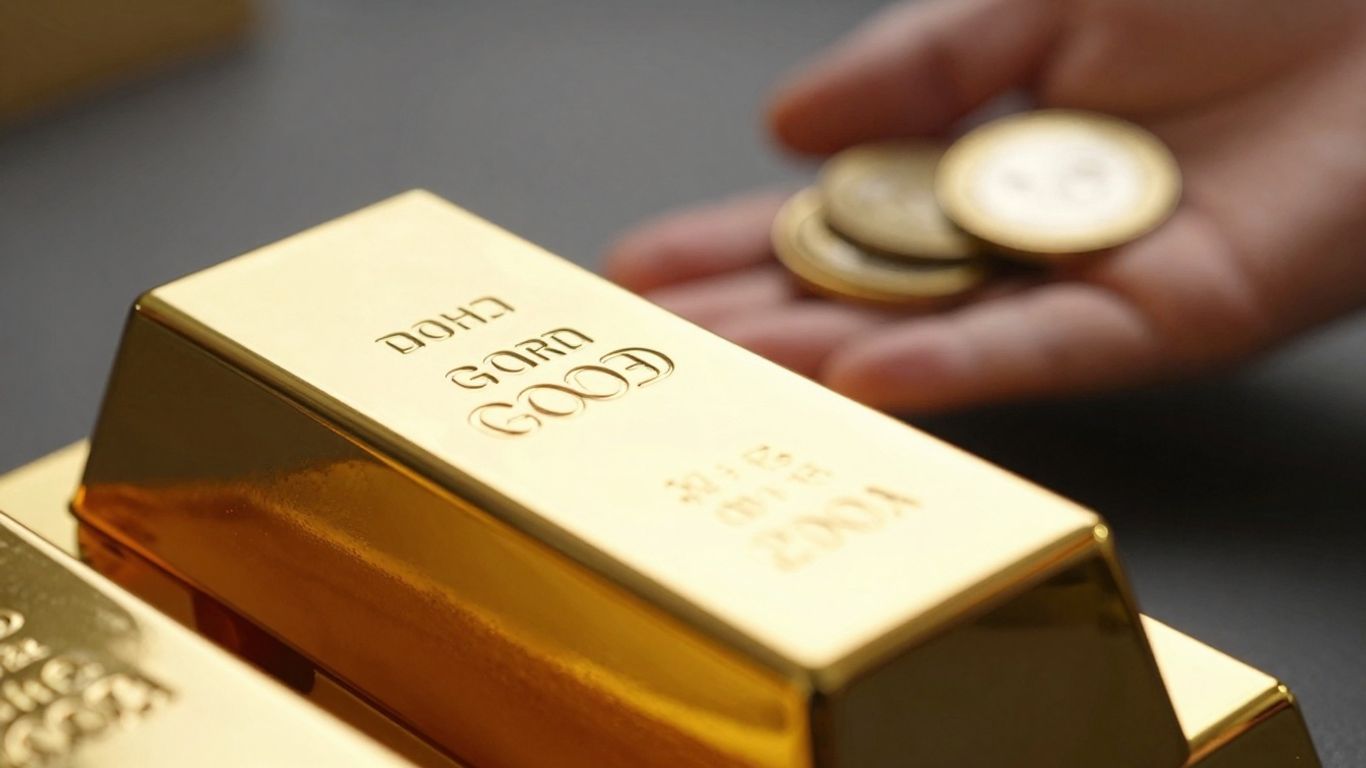
So, you’re wondering if now is the right time to jump into gold. It’s a fair question, especially with prices hitting new highs. Some folks think waiting for a dip is the smart move, but honestly, that might be a mistake. The current global situation, with all its twists and turns, really favors gold right now. It’s not just about chasing a trend; it’s about recognizing where value lies when things feel a bit shaky.
Why Waiting For A Price Drop May Be A Mistake
Waiting for gold prices to drop can feel like a sensible strategy, but it often means missing out on potential gains. Think about it: if gold is already breaking records, what’s to say it won’t keep climbing? Trying to time the market perfectly is a tough game, and with gold, the momentum can be strong. The price you see today might be a bargain compared to what it could be in the near future. It’s like waiting for a sale on something that’s already becoming more valuable.
Current Climate Favors Immediate Investment
Let’s look around. We’ve got economic uncertainties popping up in various places, and geopolitical tensions aren’t exactly calming down. In times like these, gold tends to shine. It’s seen as a safe place to park your money when other investments feel risky. Central banks are even buying more gold, which tells you something. They’re looking to diversify away from certain currencies and build up reserves. This kind of demand, from both individuals and institutions, suggests that gold is a solid choice right now. It acts as a hedge against the loss of a currency’s buying power, a role that’s becoming more important. Gold serves as a hedge.
Potential for Further Price Appreciation
Experts are looking ahead, and the forecasts for gold prices are pretty optimistic. Some analysts predict gold could reach significantly higher levels by 2026 and beyond. This isn’t just wishful thinking; it’s based on factors like ongoing central bank purchases and a steady stream of investor demand. Even a small shift in global asset allocation towards gold could drive prices up considerably. With the supply of gold not easily increasing, this demand could push prices higher, faster than many expect. It’s a metal that has a history of holding its value and often performing well when other markets are struggling.
Here’s a look at some projections:
| Timeframe | Projected Price (per ounce) |
|---|---|
| Q4 2026 | $5,400 |
| 2026 (Goldman Sachs forecast) | $4,900 |
The metal has recently served both as a debasement hedge — or a form of protection against the loss of a currency’s purchasing power due to inflation or currency debasement — and in its more traditional role as a non-yielding competitor to U.S. Treasuries and money market funds.
Strategic Approaches to Gold Investment
So, you’re thinking about buying gold, but the price is making your eyes water a bit? I get it. It feels like a big commitment, especially when you see those numbers. But here’s the thing: waiting for a massive price drop might not be the smartest move right now. The market’s been pretty wild, and those dips, when they happen, tend to be quick and not as big as you might hope. Instead of playing the waiting game, let’s look at some practical ways to get your hands on some gold without needing a second mortgage.
Affordable Entry Points: Fractional Gold and Dollar-Cost Averaging
You don’t need to buy a whole ounce of gold at once, which, let’s face it, is costing a pretty penny these days. Think about fractional gold. This means you can buy smaller pieces, like a tenth of an ounce or even less. It’s a way to get started without a huge upfront cost. Another solid strategy is dollar-cost averaging. This is where you commit to investing a set amount of money – say, $100 – every week or month, no matter what the price is. Over time, this evens out your purchase price. You’ll end up buying more when the price is lower and less when it’s higher, which is a pretty sensible way to build your gold holdings.
Maximizing Investment Through Consistency
Consistency is really key here. Whether you’re buying fractional pieces or sticking to a dollar-cost averaging plan, the important part is sticking with it. It’s not about trying to time the market perfectly – which, honestly, is nearly impossible. It’s about building your position steadily over time. Think of it like building a sturdy wall, brick by brick. Each consistent investment is another brick. This approach helps you ride out the short-term price swings and benefits from the long-term trend, whatever that may be.
Avoiding Overpaying for Gold Bullion
When prices are high, it’s easy to get caught up in the frenzy and pay more than you should. Always shop around for your gold. Different dealers will have slightly different prices, and some might have better deals on smaller quantities or specific types of bullion. Also, be aware of premiums – that’s the extra cost above the spot price of gold. These premiums can vary a lot, especially for smaller items. Do your homework before you buy to make sure you’re getting a fair price.
When you’re investing in gold, especially when prices are at record highs, it’s easy to feel pressured. But taking a step back and looking at strategic ways to enter the market can make a big difference. It’s not just about buying gold; it’s about buying it smartly.
Here’s a quick look at how these strategies can help:
- Fractional Gold: Allows you to buy smaller, more manageable amounts.
- Dollar-Cost Averaging: Spreads your investment over time, averaging out your purchase price.
- Shop Around: Compare prices and premiums from different dealers.
- Be Consistent: Stick to your investment plan, regardless of short-term price movements.
Exploring Alternatives and Complements to Gold
While gold is certainly grabbing headlines, it’s not the only precious metal out there, and sometimes, looking at other options can be a smart move. Think of it like building a toolbox; you wouldn’t just have hammers, right? You need a variety of tools for different jobs. The same applies to your investments.
Silver as a More Affordable Precious Metal Option
Gold’s price has been climbing, and while that’s exciting, it can also make it harder for some folks to get a foot in the door. That’s where silver often comes in. Even though silver prices have also gone up quite a bit, they’re still considerably lower than gold’s current price point. This makes silver a more accessible entry point for many investors looking to add precious metals to their portfolio. It offers many of the same benefits as gold, like acting as a hedge against inflation and a store of value, but at a lower cost per ounce. It’s a good way to get exposure to the precious metals market without needing as much capital upfront.
Understanding the Differences Between Gold and Silver
Gold and silver are both precious metals, but they aren’t quite the same. Gold is often seen as the ultimate safe haven and a store of value, especially during uncertain economic times. It’s also used a lot in jewelry and electronics. Silver, on the other hand, is more industrial. A big chunk of silver demand comes from industries like solar panels, electronics, and even medical devices. This industrial demand can sometimes make silver prices a bit more volatile than gold’s, as it’s more closely tied to economic growth. While gold is primarily an investment and a hedge, silver plays a dual role as both an investment and a commodity with significant industrial use. This difference in demand drivers is key to understanding their price movements.
Diversifying Precious Metal Holdings with Silver
So, should you ditch gold for silver? Not necessarily. For many investors, silver isn’t really an alternative to gold, but rather a way to complement a gold investment. By holding both, you can diversify your precious metals exposure. If gold prices are soaring, you benefit. If silver prices take off due to industrial demand, you benefit there too. It’s about spreading your risk and potentially capturing gains from different market dynamics. Think about it: you can buy more silver for the same amount of money you’d spend on a smaller amount of gold. This allows you to build a more substantial position in precious metals overall. It’s a practical way to build out your alternative investments without putting all your eggs in one basket.
Here’s a quick look at how they stack up:
| Feature | Gold | Silver |
|---|---|---|
| Price per Ounce | Higher | Lower |
| Industrial Demand | Lower | Higher |
| Volatility | Generally Lower | Generally Higher |
| Safe Haven Status | Primary Role | Secondary Role, also Industrial Commodity |
| Affordability | Less accessible for small investors | More accessible for small investors |
Future Outlook for Gold Prices
So, what’s next for gold? It’s been a wild ride, right? After hitting some pretty incredible highs in 2025, many are wondering if the party’s over or if there’s more room to run. The general feeling from the experts is that gold’s upward trend isn’t done yet. We’re looking at a pretty solid outlook for the next couple of years.
Projected Gold Prices for 2026 and Beyond
Analysts are forecasting gold prices to keep climbing. By the end of 2026, some see it pushing towards $5,000 per ounce, with even higher targets like $6,000 per ounce being discussed for the longer term. This isn’t just a wild guess; it’s based on some pretty consistent demand.
- 2026 Target: Around $5,000/oz by year-end.
- Longer-Term Potential: Possibility of reaching $6,000/oz.
- 2027 Forecast: Averages around $5,400/oz by Q4.
It’s important to remember that this kind of rally isn’t usually a straight line up. There will likely be dips and plateaus along the way. But the underlying trends suggest a continued upward bias.
The long-term trend of official reserve and investor diversification into gold has further to run. We expect gold demand to push prices toward $5,000/oz by year-end 2026.
The Impact of Central Bank and Investor Demand
Who’s buying all this gold? Well, it’s a mix of big players and individual investors. Central banks have been stepping up their gold purchases, and this isn’t expected to slow down. They see gold as a stable asset, especially with all the economic uncertainties floating around. On top of that, individual investors are also showing strong interest, often through ETFs or by buying physical gold. This combined demand is a major reason why prices are expected to stay strong. In fact, investor demand alone could be enough to drive prices significantly higher if even a small percentage of global assets shift into gold.
Potential Scenarios for Reaching Higher Price Targets
Reaching those higher price targets, like $6,000 per ounce, isn’t out of the question. One scenario involves a modest shift of global investment assets into gold. If just 0.5% of foreign U.S. asset holdings were to move into gold, that alone could create enough new demand to push prices to that $6,000 mark. With gold mine supply not really able to ramp up quickly to meet sudden demand spikes, the risk is that prices could climb even faster than anticipated. It’s a classic supply and demand situation, and right now, demand seems to have the upper hand. This sustained interest is a key factor for anyone considering gold as an investment.
Here’s a quick look at the demand drivers:
- Central Bank Buying: Continued strong purchases by governments worldwide.
- Investor Diversification: Individuals and institutions moving assets into gold for safety and as a hedge.
- ETF Inflows: Gold-backed Exchange Traded Funds attracting steady investment.
So, while predicting exact price points is tricky, the overall picture for gold looks pretty positive for the foreseeable future.
Assessing Your Gold Buy Now Or Wait Decision
So, gold’s hitting all-time highs, and you’re wondering if you should jump in or hold off. It’s a fair question, especially when prices seem to be climbing faster than my neighbor’s overgrown hedges. Let’s break down what’s really going on and help you figure out your next move.
Key Questions for Informed Gold Investment
Before you decide whether to buy now or wait, ask yourself these things. It’s not just about the price today, but what makes sense for you.
- What’s my main reason for wanting gold? Is it to protect against inflation, hedge against economic wobbles, or just because everyone else seems to be talking about it? Knowing your ‘why’ helps guide your strategy.
- How much can I realistically invest? Don’t stretch yourself thin. Gold is a solid asset, but it shouldn’t come at the expense of your emergency fund or other financial needs.
- What’s my timeline? Are you looking for short-term gains or long-term stability? Gold often shines brightest over longer periods.
- How much risk am I comfortable with? While gold is often seen as safe, its price can still fluctuate. Understand your own comfort level with potential ups and downs.
Balancing Investment Goals with Market Dynamics
It’s easy to get caught up in the headlines about gold breaking records. Right now, things like ongoing economic uncertainty and the way central banks are managing money are pushing gold prices up. Historically, when the dollar weakens or interest rates drop, gold tends to look more attractive. Plus, it’s seen as a safe place to park your money when the world feels a bit shaky. This dual role – acting as a hedge against currency devaluation and a safe haven – is really powering its current surge.
The current market conditions, with persistent economic questions and central bank actions, create a strong environment for gold. While waiting for a dip might seem smart, these dips are often short-lived and might mean missing out on potential gains. The factors driving gold higher aren’t expected to disappear overnight.
The Importance of Portfolio Allocation
Even with gold looking attractive, it’s wise to keep its place in your overall investment mix in perspective. Most financial advisors suggest that precious metals, including gold, should make up a relatively small portion of your portfolio – often around 5% to 10%. This helps you benefit from gold’s strengths without putting all your eggs in one basket. If you’re looking to get started without buying a full ounce, consider options like fractional gold or setting up a dollar-cost averaging plan. This means investing a fixed amount regularly, which can smooth out your purchase price over time and make it more manageable, especially now that prices are higher. It’s a slower path, but often a steadier one.
So, What’s the Verdict on Gold?
Alright, so gold’s hit some pretty wild price points lately, and it’s got everyone talking. It’s clear that a bunch of things, like global uncertainty and how the dollar’s doing, are keeping its value up. Now, should you jump in? It’s not a simple yes or no. If you’re thinking about buying, remember that you don’t need a ton of cash to start, and spreading out your purchases over time, instead of trying to time the market, might be a smarter move. Silver is also an option if gold feels too pricey, though it has its own ups and downs. Ultimately, gold seems like it’s got staying power, but it’s wise to keep it as just one part of your overall investment mix, maybe no more than 10%. Don’t rush into anything; do your homework and figure out what makes sense for your own wallet and your goals.
You don’t need to buy a whole ounce of gold at once. You can buy smaller pieces, called fractional gold. Another smart way is to use dollar-cost averaging, where you invest the same small amount regularly, like every week or month. This makes buying more manageable over time.
Experts predict that gold prices will likely continue to rise. Some forecasts suggest prices could reach around $5,000 per ounce by the end of 2026, and potentially even higher in the years after. This is due to ongoing demand from both individual investors and countries.
It’s wise to be careful and not put all your money into one thing. Most experts suggest that gold should only make up a small part of your total investments, usually around 10% or less. This helps protect your overall money if the gold market changes.