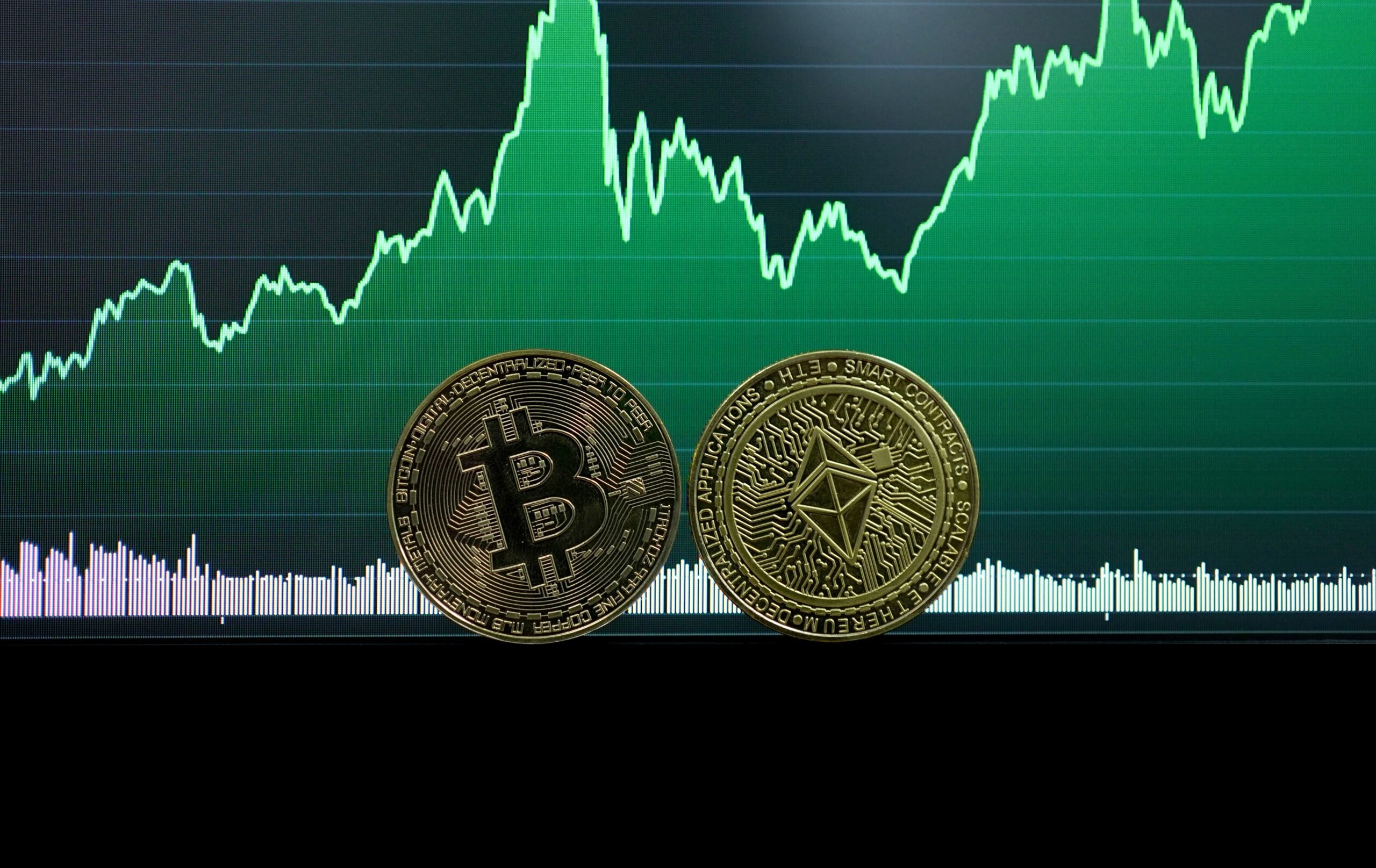
If you have watched crypto prices fall sharply, you may have wondered, will crypto go back up? It is a reasonable question after a difficult market move. Crypto has always moved through periods of strong rallies and painful declines.
The harder part is knowing what comes next. No one can reliably predict the exact bottom or next peak. Prices depend on several forces working together. Those forces include liquidity, interest rates, demand, regulation, and investor confidence.
Recent market action also shows why caution matters. Bitcoin moved sharply higher through August before experiencing another fast correction. That kind of movement is common in crypto markets.
So, Will Crypto Go Back Up?
The short answer is possible, but not guaranteed. Crypto markets have recovered from major declines before. However, previous recoveries do not guarantee another one.
A better question is what could support another recovery. Bitcoin usually receives the most attention during broad market moves. Ethereum and major altcoins can follow when confidence improves.
Still, every cryptocurrency has different fundamentals. Some projects may recover strongly after a downturn. Others may never return to previous highs.
That distinction is important for investors. A market recovery does not mean every coin recovers equally.
Why Crypto Prices Can Fall So Quickly
Crypto markets react quickly to changing expectations. Traders often respond to economic news within minutes. Leverage can also make price movements much larger.
When leveraged positions become crowded, sudden selling can trigger liquidations. Those liquidations can create additional selling pressure. This can turn an ordinary decline into a sharp move.
Recent market activity provides a useful example. Crypto liquidations increased sharply during a major market move. Reports also showed substantial short-term losses across major assets.
This does not necessarily change the long-term outlook. It does show how quickly sentiment can shift.
What Could Help Crypto Go Back Up?
Several factors could support another crypto recovery. None of them guarantees higher prices. Together, however, they can influence market direction.
1. Lower Interest Rates
Interest rates can affect investor appetite for risk. Lower borrowing costs can improve liquidity across financial markets. That can sometimes support higher-risk assets.
Crypto does not move solely because of Federal Reserve policy. Still, monetary conditions can influence investor behavior.
If investors become more comfortable taking risk, crypto can benefit. If financial conditions tighten, the opposite can happen.
2. Stronger Institutional Demand
Institutional participation has become an important market factor. Large investors can bring substantial capital into crypto markets.
Bitcoin exchange-traded products also provide another route for market exposure. The SEC notes that bitcoin and ether ETPs remain highly speculative investments. It also emphasizes their exposure to significant price volatility.
Continued demand could support prices. Falling demand could create additional pressure.
3. Better Market Liquidity
Liquidity matters because large trades need sufficient buyers and sellers. Thin liquidity can make price movements more extreme.
When liquidity improves, markets can absorb larger transactions more easily. That can create a more stable trading environment.
Liquidity alone cannot create a sustainable rally. It needs to combine with genuine demand and improving confidence.
4. Clearer U.S. Crypto Regulation
Regulation remains important for the U.S. market. Businesses and investors need clearer rules around digital assets.
Regulatory developments can influence institutional participation. They can also affect exchanges, stablecoins, token issuers, and investment products.
However, regulation can work in either direction. Supportive rules may improve confidence. Restrictive policies may create additional uncertainty.
What Does the Crypto Market Cycle Tell Us?
Crypto markets have historically moved through different phases. These often include accumulation, expansion, speculation, and correction.
A bull market usually brings rising prices and stronger investor confidence. More people begin paying attention as prices increase.
A bear market creates the opposite environment. Prices fall and confidence becomes weaker. Trading activity can also become more selective.
The difficult part is identifying the exact transition. Markets rarely provide a clear signal beforehand.
That is why investors should avoid relying on one indicator. Price charts provide useful information, but they don’t tell the whole story.
Bitcoin Recovery Does Not Mean Every Coin Recovers
Bitcoin often influences the broader market. However, individual cryptocurrencies have their own risks.
Some altcoins depend heavily on adoption and network activity. Others depend on development progress or token economics.
A coin can fall for reasons unrelated to Bitcoin. A weak project may continue losing value during a broader market recovery.
This is why crypto go back up is not really a yes-or-no question. It depends on which asset you’re discussing.
Bitcoin, Ethereum, and smaller tokens should not be treated identically.
What Should Investors Watch?
Instead of trying to predict one exact price, watch several signals. These can provide a broader picture of market conditions.
Useful areas to monitor include:
- Bitcoin trading volume
- Market liquidity
- Federal Reserve policy
- Inflation expectations
- Institutional demand
- Stablecoin activity
- Regulatory developments
- Investor sentiment
- Network activity
- Bitcoin market dominance
None of these indicators works perfectly alone. Their value comes from looking at them together.
For example, rising prices with weak volume may deserve caution. Strong demand combined with improving liquidity can provide a different signal.
Could Crypto Reach Previous Highs Again?
It is possible for major cryptocurrencies to revisit previous highs. It is also possible for some assets to remain below them.
Bitcoin has historically experienced substantial drawdowns. It has also recovered from previous major declines. That history demonstrates resilience, but it does not guarantee another recovery.
The SEC warns that crypto investments can be exceptionally volatile and speculative. It also highlights significant risks of loss for individual investors.
For that reason, previous all-time highs should not become investment targets automatically.
A better approach is to evaluate the current market independently.
How Investors Can Handle a Volatile Market
Volatility can make emotional decisions especially tempting. A sharp decline may create fear. A sudden rally can create fear of missing out.
Neither reaction necessarily improves decision-making.
Instead, consider your own risk tolerance. Think about how much capital you can afford to lose. Avoid using money needed for essential expenses.
The SEC also recommends caution with speculative crypto investments. Investors should understand the possibility of significant losses.
You can read the SEC’s crypto asset investor guidance for additional information about these risks.
What Could Happen Next?
The next phase could look different from the last one. Crypto could continue recovering after a correction. It could also move sideways while investors wait for clearer signals.
Another possibility is increased volatility. Markets can rise and fall several times before choosing a direction.
That uncertainty is part of crypto investing. Anyone promising a guaranteed recovery should be treated carefully.
Our Bitcoin price prediction analysis can provide additional market context. It is useful to compare different factors rather than relying on one prediction.
A Smarter Way to Think About Crypto Recovery
So, will crypto go back up? It can, but nobody can promise when or how far.
The more useful question is whether market conditions are improving. Watch liquidity, demand, regulation, interest rates, and investor sentiment. Also separate major cryptocurrencies from smaller speculative projects.
Crypto markets can recover quickly. They can also reverse just as quickly.
For investors in the USA, risk management should remain central. A recovery is an opportunity only if the underlying risks are understood. The best decisions usually come from patience, research, and realistic expectations.
Frequently Asked Questions
Will crypto go back up after a crash?
It can recover after a major decline. However, timing and recovery strength cannot be guaranteed.
How long does a crypto recovery take?
There is no fixed timeline. Some recoveries happen quickly, while others take months or years.
Does Bitcoin control the entire crypto market?
Bitcoin strongly influences market sentiment. However, individual cryptocurrencies have different fundamentals and risks.
What causes crypto prices to rise again?
Demand, liquidity, institutional participation, economic conditions, and market sentiment can all influence prices.
Should I buy crypto during a market decline?
A decline does not automatically mean an asset is undervalued. Consider your risk tolerance and research before making any investment decision.
Can every cryptocurrency recover?
No. Some projects may recover, while others may continue declining. Project fundamentals matter alongside overall market conditions.